Worm Gearbox for Mining Belt Conveyor — Heavy-Duty Drive Solutions
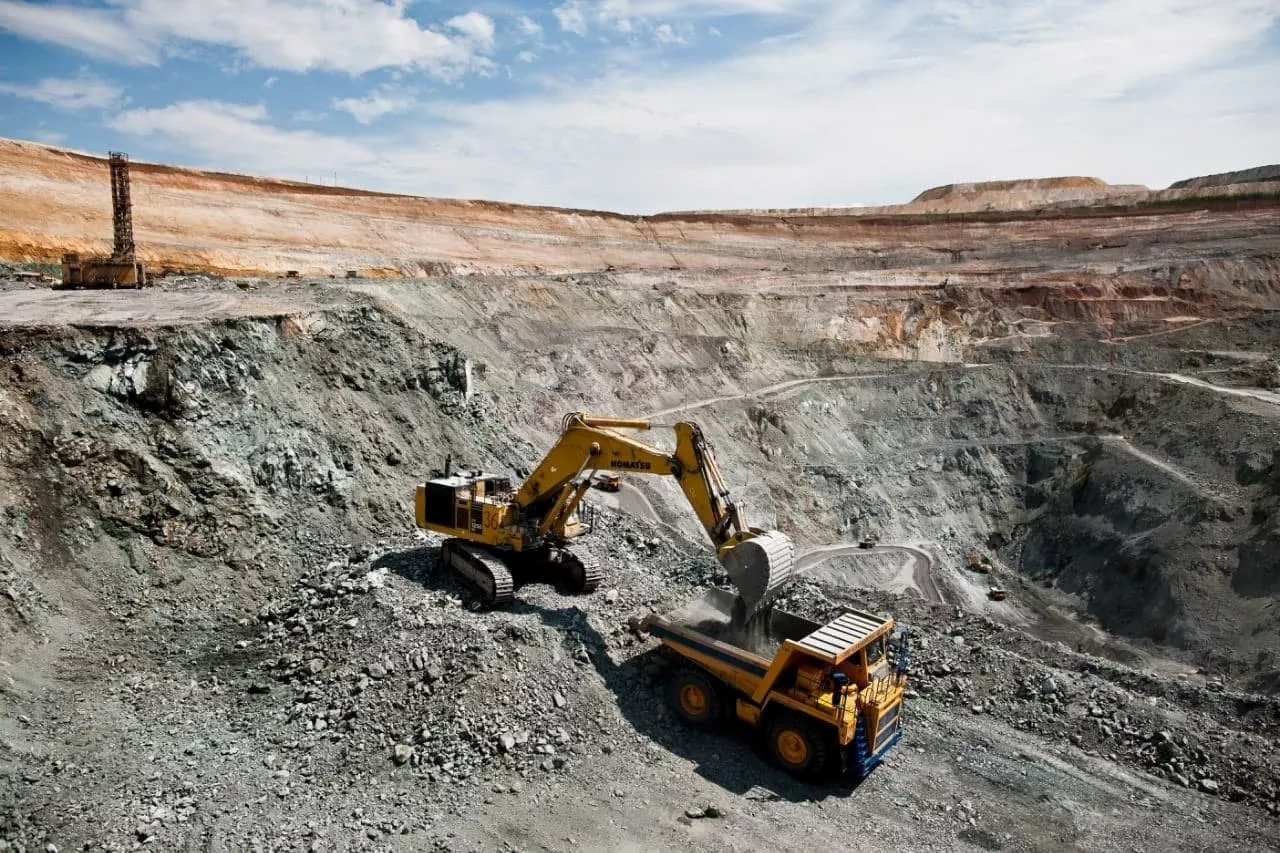
In Australian mining operations — from iron ore sites in the Pilbara to coal terminals in Queensland — belt conveyors are the circulatory system of every extraction site. A reliable worm reducer for conveyor systems must handle continuous shock loading, abrasive dust ingress, and demanding 24/7 duty cycles. Our heavy-duty worm gear reducers deliver consistent torque multiplication with inherent self-locking, eliminating the need for external backstop devices on inclined conveyors.
How Worm Gearboxes Drive Mining Belt Conveyors
A worm gear unit converts high-speed motor input into slow, high-torque output through the interaction of a hardened steel worm shaft with a phosphor-bronze or tin-bronze worm wheel. The large gear reduction ratio — typically 5:1 to 100:1 — is achieved in a single compact stage, making worm drive reducers ideal where space is constrained between conveyor frames. The worm gear’s self-locking property prevents back-driving when the motor is de-energised, providing natural load-holding on inclined belt conveyors without additional braking hardware.
Material Specifications for Mining Applications
- Housing: High-strength ductile (nodular) cast iron (EN-GJS-500-7 / GGG50) — impact-resistant and vibration-damping for underground and open-cut environments.
- Worm Wheel: ZCuSn10Pb1 tin-bronze — excellent wear resistance against the hardened worm shaft, with natural anti-galling properties.
- Worm Shaft: 20CrMnTi or 40Cr carburised and case-hardened to 56–62 HRC surface hardness — withstands the sustained contact stress of heavy belt loading.
- Seals: Triple-lip or labyrinth oil seals rated IP65/IP66 — keeps coal dust, rock particles, and moisture out of the gear oil.
Technical Specifications & Selection Guide
| Parameter | Typical Range / Value |
|---|---|
| Gear Ratio | 5:1 – 80:1 |
| Output Torque | Up to 4,500 Nm (standard); higher on request |
| Input Speed | 750 – 1,500 rpm (4- or 6-pole motor) |
| Centre Distance | 40 – 250 mm |
| Housing Material | Nodular cast iron GGG50 / GGG70 |
| Mounting Type | Foot-mount, flange-mount, hollow shaft (torque-arm) |
| Lubrication | ISO VG 220–460 mineral or synthetic gear oil |
| Protection Rating | IP65 standard; IP66/IP67 on request |
| Operating Temp. | -15°C to +40°C ambient; extended range with synthetic oil |
Service Factor Selection: For belt conveyors with frequent starts and reversals, apply a service factor of 1.5–2.0 over the calculated rated torque. In underground coal, where methane ingress requires flameproof (Ex d) motors, verify that the gearbox thermal rating accommodates the reduced ventilation in enclosed conveyor galleries.
Compliance & Quality Standards
All worm gear drives for mining conveyor applications are manufactured under ISO 9001:2015 quality management and carry CE marking for European and Australian export markets. Motor interfaces conform to IEC 60034 frame standards (B3/B5/B14 flanges), ensuring drop-in compatibility with leading motor brands. Housing and shaft surface treatments comply with AS 1627 corrosion protection standards widely referenced in Australian mining procurement specifications. Protection ratings meet IP65 as a minimum, with IP66 available for conveyor tail-end drives exposed to water sprays in underground wash-down zones.
Case Studies
Iron Ore Mining — Pilbara, WA — Stacker-reclaimer belt conveyor drive
Challenge: Existing helical gearboxes required frequent backstop maintenance on 14° inclined conveyor.
Solution: Replaced with worm gear reducers (ratio 40:1, GGG50 housing, IP66), utilising inherent self-locking to eliminate separate backstop.
Result: Zero backstop-related downtime in 18 months; maintenance cost reduced by 35%.
Coal Terminal — Hunter Valley, NSW — Overland belt conveyor intermediate drive
Challenge: Abrasive coal dust caused premature seal failure and gear oil contamination every 6 months.
Solution: Upgraded to triple-lip labyrinth seals and synthetic ISO VG 320 oil; dust deflector shields fitted to input shaft.
Result: Oil change interval extended from 6 months to 24 months; no unplanned breakdowns recorded.
Copper Mine — Queensland — Conveyor boot section drive in wet underground
Challenge: Water ingress in underground drive station caused corrosion of cast-iron housings within 12 months.
Solution: Specified epoxy-primed GGG50 housings with IP67 shaft seals and stainless-steel output shaft.
Result: Housing service life extended to 5+ years; total cost of ownership reduced by 42%.
Why Choose Our Worm Gear Reducers?
20+ Years Mining Experience
Proven track record supplying conveyor drives to Tier 1 mining contractors across Australia and Asia-Pacific.
OEM / ODM Custom Design
Non-standard centre distances, hollow-shaft configurations, and custom mounting flanges available at no tooling surcharge for volume orders.
Remote Technical Support
24/5 engineering support via phone and email — critical for remote mine sites where on-site expertise may be limited.
Competitive Pricing
Factory-direct supply chain eliminates distributor mark-ups; volume pricing available for scheduled maintenance contracts.
Full Spare Parts Program
Matched worm gear pairs, bearing kits, and oil seal sets stocked for all current models — minimising conveyor downtime.
Frequently Asked Questions
Ready to Power Your Operation?
Get expert advice and competitive pricing for your worm gearbox application.