Worm Gearbox for Robotic Arms and Automation
Understanding the Basics of Worm Gearbox
The worm gearbox, also known as the worm drive, is a vital piece of machinery in the industrial world. Its primary function is to transfer motion at 90 degrees and significantly reduce rotational speed or allow higher torque to be transmitted. This mechanism, which essentially comprises a worm and a worm wheel, plays a significant role in applications where large gear reductions are needed.
Importance of Worm Gearbox in Industrial and Mechanical Applications
Due to their unique structure and mechanism, worm gearboxes are a popular choice in various industrial and mechanical applications. Their ability to handle high shock loads, compactness, quiet operation, and high ratio capabilities make them indispensable in sectors like robotics and automation.
Working Principle of Worm Gear Reducer in Applications
The working principle of a worm gearbox revolves around the engagement between the worm and the worm wheel. The worm, which resembles a screw, meshes with the worm gear, converting rotational movement from one component to the other. It’s the unique sliding movement between the two components that allow the worm to turn the gear with minimal effort but prevents the gear from being able to turn the worm. This is the principle of non-reversibility that is inherent in worm gear reducers, making them ideal for applications like robotic arms and automation where such a feature is required.
Basic Structure and Components of Worm Gearbox
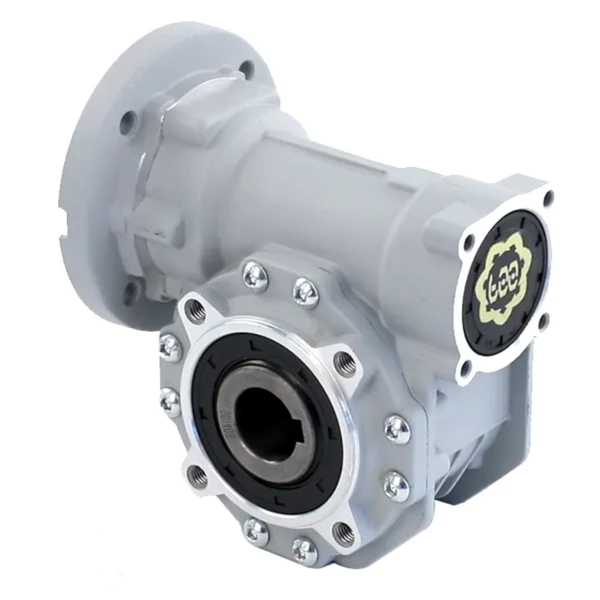
A worm gearbox is composed of critical components that each play a specific role. These include:
- Worm (Worm Shaft): This is the input shaft that transfers motion to the worm gear.
- Worm Gear (Worm Wheel): This is the output shaft that receives motion from the worm. Its teeth are designed to mesh perfectly with the worm’s threads.
- Bearing and Housing: These support the worm and the worm wheel, providing a smooth operation.
- Seal: This prevents the leakage of lubrication and the ingress of contaminants.
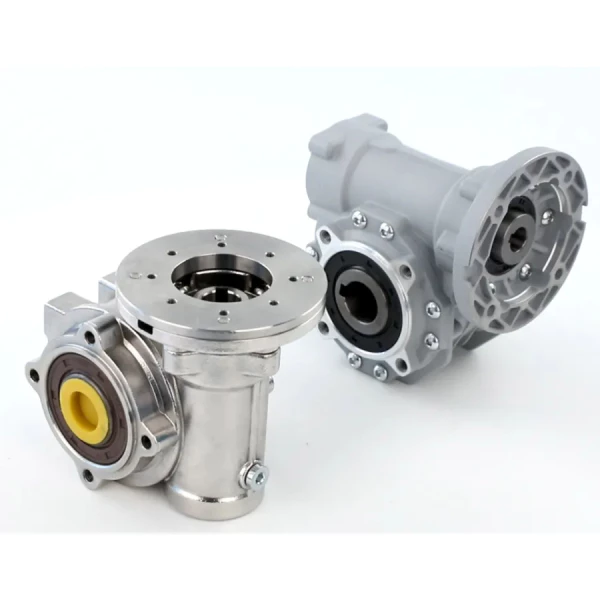
Application of Worm Gearbox in Robotic Arms and Automation
Worm gearboxes are widely used in robotic arms and automation for their high precision and reliability. They provide exact positioning and smooth movement, essential for robotic arms’ function. They also offer a high gear ratio in a compact size, which is ideal for automated systems with space constraints.
Why Worm Gearbox is Suitable for Robotic Arms and Automation
- High Torque Capability: Worm gearboxes are capable of handling high torque levels, which are necessary for the movement of robotic arms.
- Non-backdrivable: The non-backdrivable feature of worm gearboxes makes them suitable for applications that require holding loads or positions, like in robotics.
- Compact Size: The compactness of worm gearboxes makes them ideal for applications with space constraints, like automation systems.
- High Reduction Ratios: Worm gearboxes offer high reduction ratios, enabling precise movements in robotic arms and automated systems.
- Quiet Operation: The quiet operation of worm gearboxes is a significant advantage in environments where noise should be minimized, like in automation.
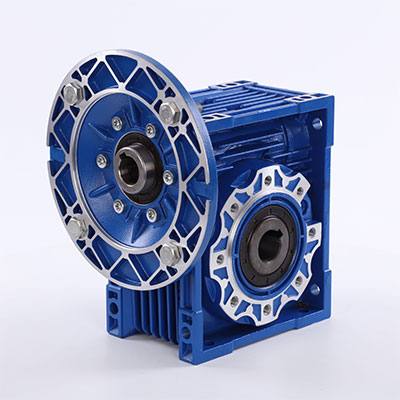
Features and Advantages of Worm Gear Motor
- High Efficiency: Worm gear motors offer high efficiency, making them ideal for applications where energy conservation is critical.
- Durability: They are built to withstand harsh conditions, enhancing their lifespan and providing value for money.
- Low Maintenance: Their robust construction and design reduce the need for frequent maintenance.
- Versatility: They can be used in a wide range of applications, from conveyor systems to milling machines.
Choosing the Right Worm Reducer for Your Application
Choosing the right worm reducer for your application is crucial for optimal performance. Consider the following factors:
- Load Capacity: Ensure the worm reducer can handle the load requirement of your application.
- Speed Requirements: The worm reducer should meet the speed requirements of your application.
- Environment: Consider the environment where the worm reducer will be used. Certain environments may require specific materials or treatments for the reducer.
- Maintenance: Consider the maintenance requirements of the worm reducer. Some may require more frequent maintenance than others.
Motors for Worm Gear Reducers
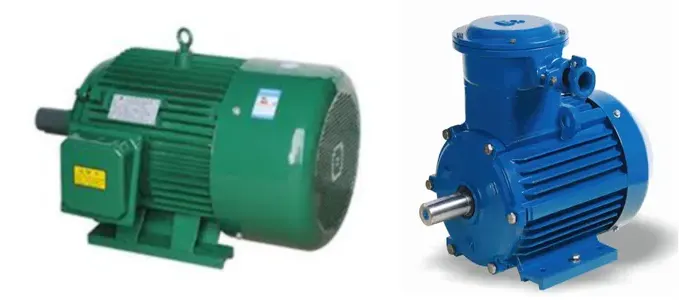
Choosing the right motor for your worm gear reducer is as crucial as choosing the reducer itself. The right combination can enhance the efficiency and performance of your application. We also provide matching electric motors, further simplifying the selection process for our customers.
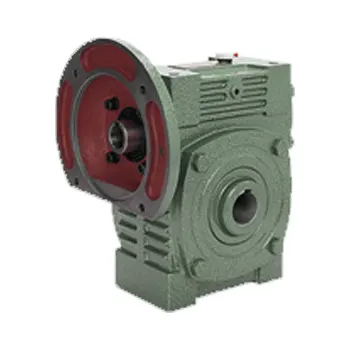
Our Worm Gearboxes
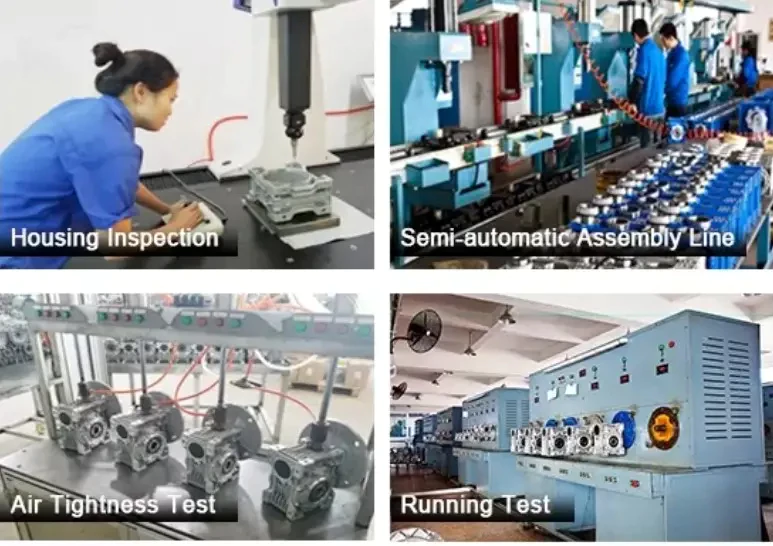
We are a comprehensive transmission equipment manufacturer with more than 15 years of experience in the design, production, manufacture, and sales of gearboxes. We serve customers in Europe, America, Africa, Asia, and have won the praise of the market. Our products, including worm gearboxes, are widely used in various industries such as equipment Industry, food industry, car washing industry, packaging industry, transmission industry, automation industry, solar energy industry, and so on. We invite you to explore our products and contact us for your needs.
Q&A
Q1: What is the role of a worm gearbox in a robotic arm?
A: A worm gearbox plays a crucial role in a robotic arm, providing precise positioning and smooth movement.
Q2: What makes worm gearboxes suitable for automation systems?
A: Their compact size, high gear ratio, and quiet operation make worm gearboxes ideal for automation systems.
Q3: How do I choose the right worm reducer for my application?
A: Consider factors like load capacity, speed requirements, environment, and maintenance when choosing a worm reducer for your application.
Edited by Zqq.