Product Description
CAMINIX Single Stage series gear box
Single Stage series gear box , Ductile iron box , Sturdy structure , Meet industrial requirements.
Applications
CMX-S CHINAMFG series gearboxes provide a variety of connection flange options, suitable for Ball valve, butterfly valve, plug valve,The products use high-performance thrust bearings, which are suitable for the chemical industry, power plants, water plants, heating equipment and most industrial fields.
Feature of product
Handwheel can be locked
Rust-proof steel input shaft
22 specifications, torque up to 300,000Nm.
Gearbox IP67 sealed
Working environment temperature: -20ºC to +80ºC
Stroke: 0-90° (±5° adjustable)
| 1 | The worm gear top housing installed with needle clearly indicate the opening position of the valve |
| 2 | Main Materials of Ductile iron QT500-7 castings with high strength and high resistant |
| 3 | with limit switch can limit the valve stroke |
| 4 | High precision shaft with bearing match improve the transmissioning efficiency |
| 5 | For big torque valves,when manually operated with high efficiency gear reducer to easy operate and reduce the amount of work |
| 6 | The gearbox and reducer housing cover with ductile iron materials, with O ring and sealing with water proof of IP67 |
| 7 | The mounting pad flange as per ISO5211-2017, the shaft material is 20CrmoTi,Carburizing Quenching and tooth grinding treatment |
| TY PE |
TechnicalParameters | Dimensions | |||||||||||||||||
| Model | Ratio | Maximum stem diameter | Output | Input | Enlarge | Connection | D1 | L max | A | B | C1 | D | K | H | J | E | Key | Handwheel | |
| Torquenm | Coefficient ±15% | Flange | |||||||||||||||||
| A | CMS10 | 29:1 | 20 | 350 | 37 | 9.5 | F05 | 65 | 57 | 167 | 125 | 122 | 29 | 64 | 15 | 6 | 200 | ||
| F07 | 90 | 57 | 167 | 125 | 122 | 29 | 64 | 15 | 6 | 200 | |||||||||
| CMS20 | 37:1 | 28 | 520 | 43 | 12.1 | F07 | 90 | 57 | 185 | 134 | 140 | 29 | 64 | 15 | 6 | 200 | |||
| F10 | 125 | 57 | 185 | 134 | 140 | 29 | 64 | 15 | 6 | 200 | |||||||||
| CMS21 | 38:1 | 36 | 850 | 72 | 11.8 | F10 | 125 | 68 | 200 | 142 | 162 | 36 | 74 | 15 | 6 | 300 | |||
| F12 | 150 | 63 | 200 | 142 | 162 | 31 | 71 | 15 | 6 | 300 | |||||||||
| F14 | 175 | 73 | 216 | 150 | 162 | 41 | 79 | 15 | 6 | 300 | |||||||||
| CMS30 | 40:1 | 45 | 1350 | 108 | 12.5 | F12 | 150 | 85 | 219 | 152 | 202 | 46 | 93 | 20 | 6 | 350 | |||
| F14 | 175 | 85 | 219 | 152 | 202 | 46 | 93 | 20 | 6 | 350 | |||||||||
| F16 | 210 | 85 | 235 | 160 | 202 | 46 | 93 | 20 | 6 | 350 | |||||||||
| CMS55 | 47:1 | 50 | 2000 | 130 | 15.4 | F14 | 175 | 91 | 241 | 163 | 223 | 50 | 99 | 20 | 6 | 400 | |||
| F16 | 210 | 91 | 241 | 163 | 223 | 50 | 99 | 20 | 6 | 400 | |||||||||
| CMS66 | 55:1 | 55 | 2500 | 141 | 17.7 | F14 | 175 | 89 | 248 | 170 | 237 | 51 | 97 | 20 | 6 | 500 | |||
| F16 | 210 | 89 | 248 | 170 | 237 | 51 | 97 | 20 | 6 | 500 | |||||||||
| CMS88 | 61:1 | 65 | 3000 | 152 | 19.7 | F16 | 210 | 105 | 290 | 192 | 267 | 55 | 115 | 20 | 6 | 500 | |||
| F20 | 260 | 108 | 290 | 192 | 267 | 58 | 118 | 20 | 6 | 500 | |||||||||
| F25 | 300 | 105 | 290 | 192 | 267 | 55 | 115 | 20 | 6 | 500 | |||||||||
| CMS99 | 69:1 | 70 | 3500 | 165 | 21 | F20 | 260 | 106 | 300 | 202 | 290 | 55 | 113 | 20 | 6 | 500 | |||
| F25 | 300 | 106 | 300 | 202 | 290 | 55 | 113 | 20 | 6 | 500 | |||||||||
The gearbox produced by CHINAMFG is almost maintenance-free. In the absence of visible grease leakage, there is no need to add lubricating grease, Replace the sealing ring or lubricate again.
/* March 10, 2571 17:59:20 */!function(){function s(e,r){var a,o={};try{e&&e.split(“,”).forEach(function(e,t){e&&(a=e.match(/(.*?):(.*)$/))&&1
| Certification: | ISO, CE |
|---|---|
| Power Supply: | Worm Gear |
| Power Source: | Gear |
| Temperature: | Ordinary Temperature |
| Connection: | Flange |
| Material: | Cast Iron |
| Customization: |
Available
| Customized Request |
|---|
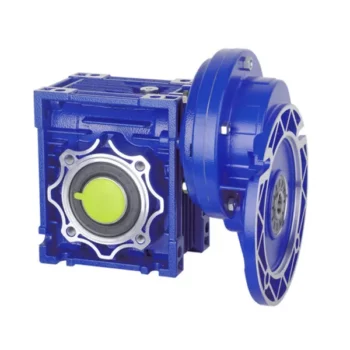
Maintenance Tips for Prolonging the Life of a Worm Gearbox
Proper maintenance is essential to ensure the longevity and reliable performance of a worm gearbox. Here are some maintenance tips to consider:
- Lubrication: Regularly check and replenish the lubricant in the gearbox. Use the recommended lubricant type and quantity specified by the manufacturer.
- Lubrication Schedule: Follow a lubrication schedule based on the operating conditions and manufacturer recommendations. Regular lubrication prevents friction, reduces wear, and dissipates heat.
- Temperature Monitoring: Keep an eye on the operating temperature of the gearbox. Excessive heat can degrade the lubricant and damage components.
- Cleanliness: Keep the gearbox and surrounding area clean from debris and contaminants. Regularly inspect and clean the gearbox exterior.
- Seal Inspection: Check for any leaks or damage to seals and gaskets. Replace them promptly to prevent lubricant leaks and contamination.
- Alignment: Ensure proper alignment between the worm and worm wheel. Misalignment can lead to increased wear and reduced efficiency.
- Torque Monitoring: Monitor the torque levels during operation. Excessive torque can cause overloading and premature wear.
- Regular Inspections: Periodically inspect all components for signs of wear, damage, or unusual noise. Replace worn or damaged parts promptly.
- Proper Usage: Operate the gearbox within its specified limits, including load, speed, and temperature. Avoid overloading or sudden changes in operating conditions.
- Expert Maintenance: If major maintenance or repairs are needed, consult the manufacturer’s guidelines or seek the assistance of qualified technicians.
By following these maintenance tips and adhering to the manufacturer’s recommendations, you can extend the lifespan of your worm gearbox and ensure its optimal performance over time.
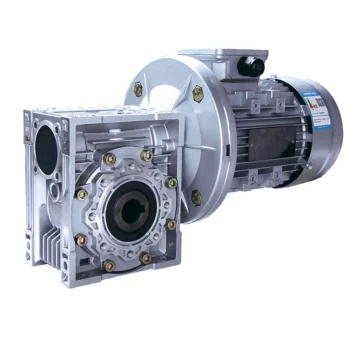
Does a Worm Reducer Require Frequent Maintenance?
Worm reducers generally require less frequent maintenance compared to some other types of gearboxes due to their design and operating characteristics. However, maintenance is still essential to ensure optimal performance and longevity. Here are some key points to consider:
- Lubrication: Proper lubrication is crucial for worm gearboxes. Regularly check the lubricant level and quality to prevent wear and overheating. Lubricant should be changed as recommended by the manufacturer.
- Inspections: Periodically inspect the gearbox for signs of wear, damage, or oil leaks. Check for any unusual noises, vibrations, or changes in performance that could indicate a problem.
- Tightening and Alignment: Check and tighten any loose fasteners and ensure that the gearbox is properly aligned. Misalignment can lead to increased wear and reduced efficiency.
- Seal Maintenance: Inspect and maintain seals to prevent oil leakage and contaminants from entering the gearbox.
- Cleaning: Keep the gearbox clean from debris and contaminants that could affect its performance. Regular cleaning can prevent premature wear and damage.
- Load and Speed: Ensure that the gearbox is operating within its rated load and speed limits. Exceeding these limits can lead to accelerated wear and potential failure.
- Environmental Conditions: Consider the operating environment of the gearbox. Extreme temperatures, humidity, and other factors can impact the gearbox’s performance and longevity.
While worm gearboxes are known for their durability and self-locking feature, neglecting maintenance can lead to premature wear, reduced efficiency, and potential breakdowns. Following the manufacturer’s recommendations for maintenance intervals and procedures is essential to keep the worm reducer in optimal condition.
Preventing Backlash in a Worm Gearbox
Backlash in a worm gearbox can lead to reduced accuracy, positioning errors, and decreased overall efficiency. Here are steps to prevent or minimize backlash:
- High-Quality Components: Use high-quality worm gears and worm wheels with tight manufacturing tolerances. Precision components will help reduce backlash.
- Proper Meshing: Ensure the worm gear and worm wheel are properly aligned and meshed. Improper meshing can lead to increased backlash.
- Preload: Applying a small amount of preload to the worm gear can help reduce backlash. However, excessive preload can increase friction and wear.
- Anti-Backlash Mechanisms: Consider using anti-backlash mechanisms, such as spring-loaded systems or adjustable shims, to compensate for any inherent backlash.
- Lubrication: Proper lubrication can reduce friction and play a role in minimizing backlash. Use a lubricant that provides good film strength and reduces wear.
- Maintenance: Regularly inspect and maintain the gearbox to identify and address any changes in backlash over time.
It’s important to strike a balance between reducing backlash and maintaining smooth operation. Consulting with gearbox experts and following manufacturer guidelines will help you optimize your worm gearbox’s performance while minimizing backlash.


editor by CX 2024-02-25