Worm Gearbox for Washdown Conveyor — Food-Grade, Corrosion-Resistant Drive for Wet Environments
In food processing facilities — from abattoirs and fish-processing plants in regional Australia to fresh-produce packing lines in the Riverina — conveyor drives are subjected to daily high-pressure hot-water wash-down, acidic cleaning chemicals, and the hygienic requirement that no lubricant contacts food product. A purpose-built worm gear reducer for food processing conveyors combines 316L stainless steel or anti-corrosion coated aluminium alloy construction with food-grade H1 lubricants and IP69K sealing to survive this demanding service life. Explore more food industry solutions at our applications hub.
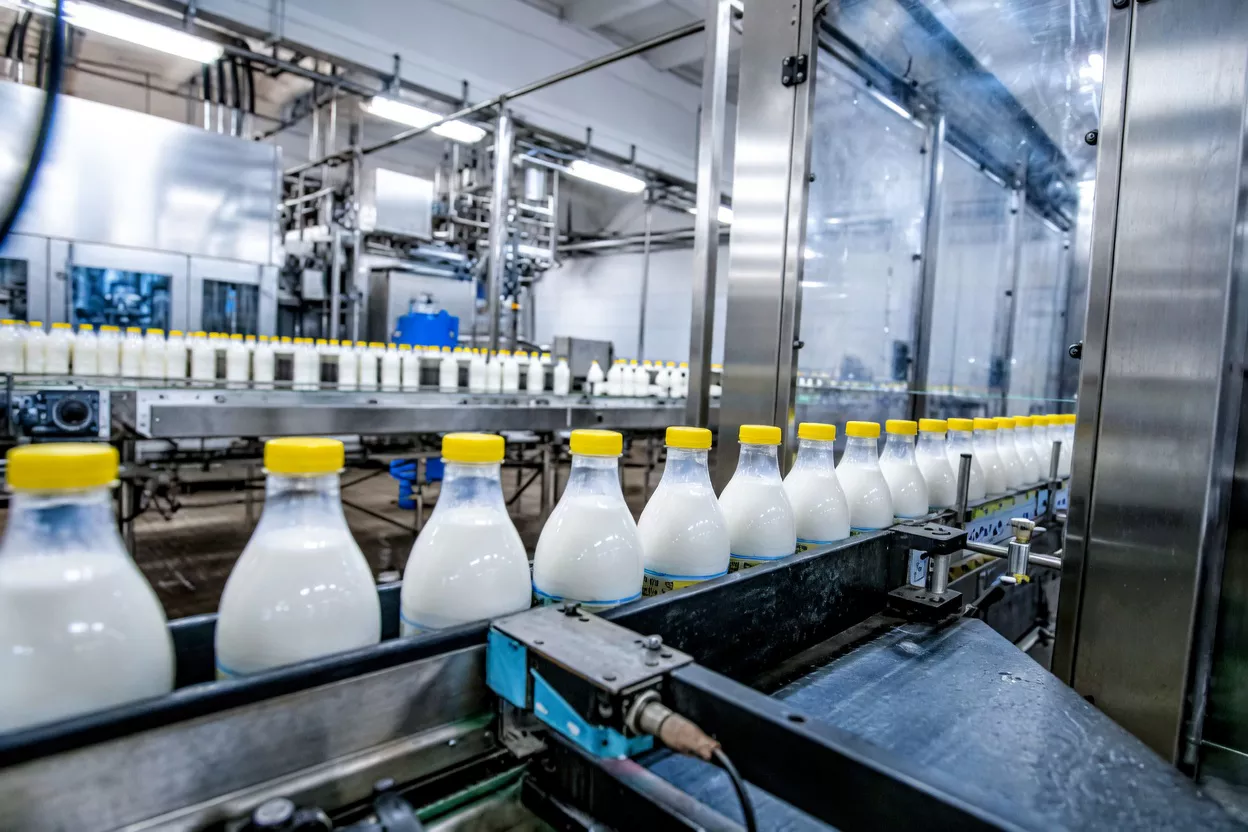
What Makes a Washdown Conveyor Gearbox Different?
Standard industrial gearboxes are unsuitable for food-plant conveyor duty: cast-iron surfaces harbour bacteria in microscopic pits; mineral gear oil is toxic if it contacts food product; and standard IP55 seals fail quickly under repeated 80°C caustic wash-down cycles. A food-grade worm speed reducer for washdown duty requires: smooth, crevice-free external surfaces; H1 food-grade synthetic oil; minimum IP66 (ideally IP69K) sealing; and housing materials approved for use in food contact zones.
Material & Hygiene Specifications
- Housing: 316L stainless steel (preferred) or antibacterial-coated aluminium alloy — smooth, crevice-free external surfaces to prevent bacterial biofilm formation.
- Gear Oil: NSF H1 registered food-grade synthetic gear oil — approved for incidental food contact (up to 10 ppm contamination); non-toxic and odourless.
- Seals: FKM (Viton) lip seals with stainless steel garter springs — rated for NaOH and peracetic acid exposure at 80°C wash-down temperatures.
- Fasteners: 316L stainless steel external bolts and plugs — no carbon steel to rust onto conveyor belt or food product.
- Output Shaft: 316L stainless steel — prevents corrosion in the splash zone above the conveyor frame.
Technical Specifications
| Parameter | Specification |
|---|---|
| Gear Ratio | 7.5:1 – 60:1 |
| Output Torque | Up to 2,000 Nm |
| Housing Material | 316L SS or antibacterial aluminium alloy |
| Gear Oil | NSF H1 food-grade synthetic (standard fill) |
| Input Flange | IEC B5/B14; stainless input bore adapter |
| Output Shaft | 316L stainless steel (standard) |
| Seals | FKM Viton; rated to 80°C NaOH/PAA washdown |
| Protection Rating | IP66 standard; IP69K (15 MPa hose) on request |
| Surface Finish | Ra ≤ 0.8 µm (electropolished SS) or smooth powder coat |
| Compliance | NSF/ANSI 169; FDA 21 CFR 178.3570 (lubricant) |
IP69K Explained: IP69K testing applies water at 80°C, 80–100 bar pressure, from distances of 100–150 mm at 0–30° nozzle angle. This simulates the most aggressive steam-gun and high-pressure wash-down conditions found in abattoirs, poultry plants, and fresh-produce packing. An IP66 unit withstands powerful water jets but is not tested to IP69K’s temperature and pressure combination.
Compliance & Certifications
Food-grade washdown worm gear drives comply with ISO 9001:2015, carry CE marking, and are designed for compliance with NSF/ANSI 169 (food equipment) and FDA 21 CFR Part 178 (food-contact lubricants). Motor flanges conform to IEC 60072 B5/B14 standards. Housing surface finish (Ra ≤ 0.8 µm electropolished on stainless models) meets EHEDG (European Hygienic Engineering & Design Group) and 3-A Sanitary Standards for food-contact equipment. Minimum IP rating: IP66; IP69K available as standard product option.
Case Studies
Abattoir — Wodonga, VIC
Beef carcass conveyor belt drive
Challenge: Mineral oil leak from standard gearbox triggered a HACCP non-conformance; entire line shut down for 8 hours.
Solution: Replaced with 316L SS washdown gearbox pre-filled with NSF H1 food-grade oil; IP69K sealing specified.
Outcome: Zero HACCP non-conformances related to lubrication in 3 years; line inspection time reduced by 60%.
Fish Processing Plant — Fremantle, WA
Filleting line conveyor drive
Challenge: Salt-water spray and fish acid caused standard aluminium housing to pit and discolour within 6 months.
Solution: Specified electropolished 316L SS housing with Viton seals; monthly oil analysis programme introduced.
Outcome: No housing corrosion after 24 months; oil analysis confirmed H1 oil remained clean and in-spec throughout.
Fresh Produce Packing — Stanthorpe, QLD
Carton conveyor in cold wash room
Challenge: Condensation on cold conveyor frames caused standard gearbox seals to weep oil in the refrigerated environment.
Solution: Installed low-temperature synthetic H1 oil (pour point −40°C) and upgraded seals for 0°C to +5°C washroom duty.
Outcome: No oil weeping or seal degradation in 18 months; compliance with fresh-produce export hygiene standards maintained.
Why Food Processors Choose Us
NSF H1 Oil Standard
All food-line gearboxes shipped with NSF H1 food-grade synthetic oil — zero substitution or upcharge.
IP69K Available
Factory-tested IP69K units available from stock — no lead time premium for the highest washdown rating.
EHEDG-Compatible Design
Smooth, radius-edged housings designed for easy visual inspection and cleaning validation.
Low-Temp Options
−40°C synthetic oil fill for chilled tunnel, freezer, and cold-room conveyor applications.
HACCP Documentation
Food-grade material certificates, H1 oil data sheets, and HACCP compliance packs available on request.
Frequently Asked Questions
Talk to Our Drive Specialists
Get the right worm gear solution for your application — fast.